Water is the backbone of industrial operations – yet it is often the most underestimated resource on the factory floor.
Whether you run a pharmaceutical unit, food processing plant, textile mill or a steel manufacturing facility, the quality of water you use directly affects your product quality, machinery lifespan and operational costs. This is exactly why increasing numbers of industrial decision makers in India and across the globe are investing in a Reverse Osmosis (RO) water plant.
In this blog, we walk you through what a RO water plant does, and why it’s no longer an option for modern industries. Also, what to look for when evaluating RO water plant manufacturers.
What is a RO Water Plant and How does it Work?
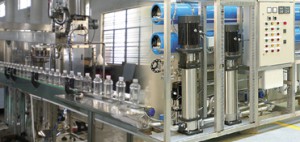
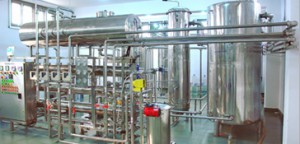
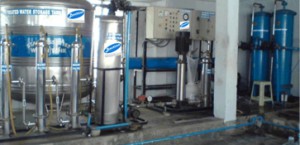
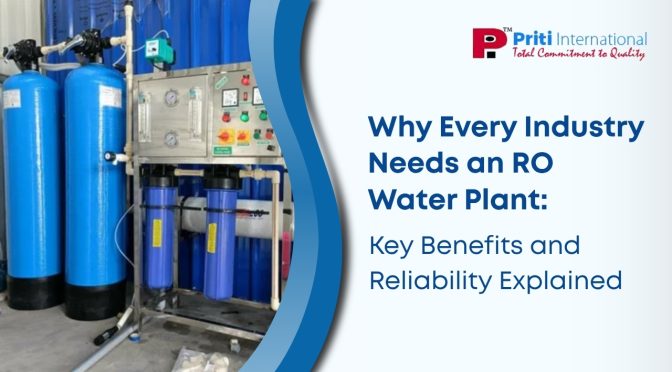
A Reverse Osmosis (RO) water plant is an advanced water purification system which forces water under pressure through a semi-permeable membrane. This process removes up to 99% of dissolved salts, heavy metals, bacteria, viruses and other contaminants, delivering purified water suitable for industrial and commercial use.
RO technology is much more sophisticated than just filtration, getting rid of tiny contaminants such as TDS (Total Dissolved Solids), chlorine compounds, fluorides and biological contaminants. This makes it one of the most dependable and complete water treatment solutions available on the market today.
How Industrial Water Quality is a Major Business Issue
According to the World Health Organization (WHO), the global economy loses billions of dollars annually due to filthy water, in terms of lost productivity and equipment damage. Poor water quality in industrial applications results in:
- Scaling and corrosion of boilers, cooling towers and pipelines
- Contamination of products in the food, drink and pharmaceutical industries
- Higher maintenance costs due to mineral deposits in machinery
- Not meeting regulatory standards and expensive shutdowns
A well-engineered RO water plant meets each of these challenges directly, making it a smart investment in operations, not just the environment.
Key Benefits of Installing an RO Water Plant in Your Industry
1. Always Superior Water Production
The need for consistency in industrial processes. An RO plant produces water with controlled TDS levels and virtually no microbial contamination – batch after batch, hour after hour.
Such water purity is a prerequisite for the pharmaceutical, semiconductor and beverage industries.
2. Large savings over time
Yes, there is a capital investment to install a RO plant but the long-term ROI is phenomenal. Industries that changed to RO treated water report:
- Reduction in the use of chemicals for boiler and cooling tower treatment up to 40–60%
- Extended machine life, reduced equipment failure is
- Less reliance on expensive packaged or tanker water
And with less downtime and less maintenance, the system pays for itself quicker than most plant managers anticipate.
3. Scalability to Match Your Production Needs
Today RO Water plant manufacturers design systems from small capacity units (500 LPH) to large industrial plants (1,00,000 LPH and above). As your production grows, you can scale up your water treatment system without a complete overhaul.
4. Compliance With Regulatory Standards
In India, industries have to comply with BIS standards, FSSAI guidelines for food and beverages, pollution control board norms. A consistent way to meet these standards is to have a RO plant which will also reduce the risks of penalties, audits and forced shutdowns.
5. Easy Maintenance And Reliability
Modern RO systems are designed for continuous operation — some running 24/7 with minimal human intervention. New systems have automated controls, pressure monitoring and real-time TDS meters that alert operators before problems get out of hand.
The trustworthy RO water plant manufacturers also provide Annual Maintenance Contracts (AMCs) to keep your system in optimum condition all through the year.
The Growing Role of RO Plants in the Packaged Drinking Water Sector
The packaged drinking water market in India is projected to grow at a CAGR of over 20% through 2027, driven by rising health awareness and urbanization.
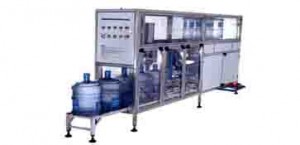
An RO plant for packaged drinking water is the foundation of this industry. From small mineral water startups to large-scale bottling plants, RO technology ensures the water meets IS 14543 standards — the mandatory BIS certification for packaged drinking water in India.
Manufacturers in this space rely on high-capacity, food-grade RO systems with multi-stage filtration, UV sterilization, and automated CIP (Clean-in-Place) systems to maintain hygiene without halting production.
What to Look for When Choosing RO Water Plant Manufacturers
The choice of the right manufacturer is as important as the choice of the right technology. Experienced plant managers recommend evaluating the following:
Technical Expertise Does the manufacturer offer custom-engineered systems based on your source water analysis and daily volume requirement?
After-Sales Support: Check for manufacturers that have responsive service teams, genuine spare parts, and documented AMC options.
Track Record: Ask for installation references, particularly from industries like yours.
Certifications: Check whether the manufacturer has ISO certifications. Also, check whether food grade or industrial grade membrane is used and from which trusted brand.
Local Presence: Kolkata RO water plant manufacturers offer a distinct advantage to businesses in eastern India through faster installation, quicker service response, and a better understanding of local water quality challenges such as high iron levels and turbidity.
Why Location Matters: The Advantage of Local RO Manufacturers
Partnering with RO water plant manufacturers in Kolkata and nearby areas is not only convenient. Local manufacturers are aware of the challenges of regional water such as high levels of arsenic in the ground water of parts of West Bengal, and can adapt the design of the system accordingly.
They also provide faster site assessments, lower logistics costs for delivering equipment and local service teams that can respond in hours rather than days.
Priti International is one of the trusted names among RO water plant manufacturers in Kolkata, and has been providing customized industrial water treatment solutions for eastern India. Hands on experience in packaged drinking water, pharma , and manufacturing, Priti International combines technical expertise with responsive local support — making them a go-to partner for industries looking to get their water treatment right the first time.
Final Thoughts
An RO water plant is not a luxury, but an operational necessity for any industry that relies on water quality for product integrity, equipment health and regulatory compliance.
With industries across India upgrading their infrastructure, selecting experienced and certified RO Water Plant Manufacturers means you are getting a RO plant that is built to last, designed for your specific conditions and backed long after installation.
If you are looking at options – be it for a new greenfield project, or upgrading an existing system – start with your water quality data, and look for a manufacturer with proven industrial experience. Priti International can help you assess your needs, design the right system, and help you every step of the way during installation and beyond.
FAQ
Q1. How long does an industrial RO plant last?
A well-maintained RO plant can last 10 to 15 years or more. Regular membrane cleaning, timely filter replacement, and periodic system audits significantly extend its operational life.
Q2. What industries benefit the most from RO water plants?
Pharmaceuticals, food and beverages, textiles, power plants, automotive manufacturing, hospitals, and packaged drinking water units all see major operational and cost benefits from RO systems.
Q3. Is an RO plant suitable for high TDS groundwater?
Yes. Industrial RO plants are specifically designed to handle high TDS water (often 1,000–5,000 ppm or more). The system configuration — including pre-treatment stages — is customized based on your source water quality report.
Q4. What is the difference between a commercial and an industrial RO plant?
Commercial RO plants typically serve offices, restaurants, and small institutions (up to a few thousand litres per day). Industrial RO plants are built for large-scale, continuous operations — often processing tens of thousands of litres per hour — with robust components, automation, and higher pressure systems.
Q5. How do I get started with installing an RO plant for my facility?
Begin with a source water analysis to determine TDS, pH, hardness, and microbial load. Share this report with shortlisted RO water plant manufacturers, who can then propose a system design, capacity, and cost estimate tailored to your specific needs.